
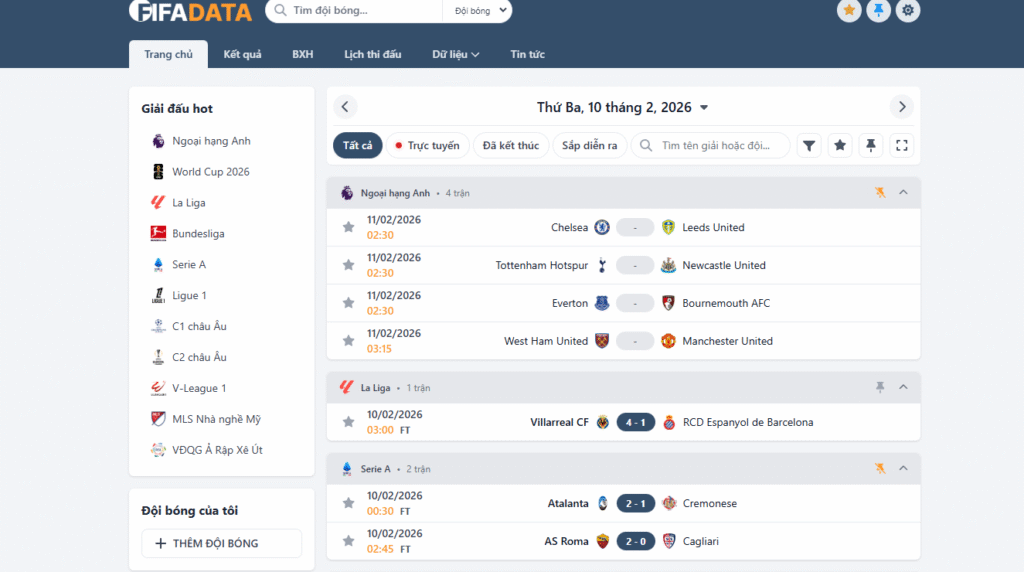
I ran into this situation again not long ago while following a match on this platform and another familiar score website at the same time. For a few minutes, the two pages showed different scores for the same game. One had already added a goal, the other still showed a draw. At first, it felt like something had to be wrong.
What surprised me was how common this situation actually is. Once you start paying attention, you see it happen again and again, especially during tense moments. So the real question is not whether this happens, but why it keeps happening so often.
Is one of the websites simply incorrect?
This is usually the first conclusion people jump to. Two scores do not match, so one site must be incorrect. That reaction makes sense, especially when fans are emotionally invested in the match.
But from repeated experience, outright errors are rarer than they seem. In most cases, both websites are reacting to the same event at different stages of confirmation. What looks like a wrong score is often just a snapshot taken before the situation is fully settled.
Why does one platform update faster than the other?
One of the biggest differences between platforms is how aggressively they update. Some sites push a score update the moment they receive an initial signal that a goal might have been scored. Others wait until there is confirmation from officials or verified data feeds.
When you compare two platforms with different philosophies, you end up seeing two versions of reality. One feels fast and exciting. The other feels slower but calmer. Neither approach is objectively right or wrong, but they create very different impressions for users.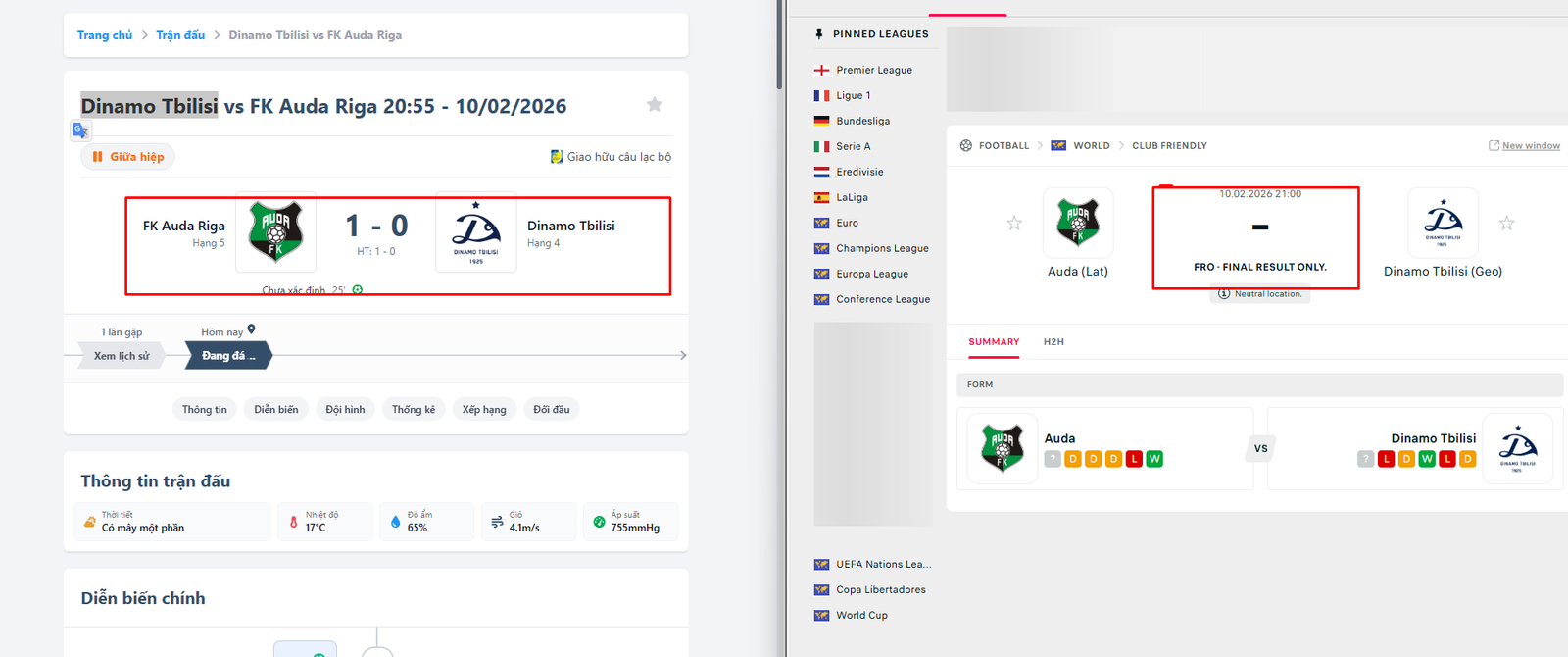
Different update strategies can cause score differences between websites during live matches.
How do VAR decisions make this problem worse?
VAR has made this issue much more visible than it used to be. In the past, goals were mostly clear cut. Now, many goals are followed by long checks, replays, and uncertainty.
Some websites show the goal immediately, then remove it if VAR overturns the decision. Other platforms wait silently until the referee confirms the outcome. During that window, fans on different platforms genuinely believe different things are happening in the same match.
This is one of the most common moments when score discrepancies appear.
Do data providers affect what we see?
Yes, and this is something many fans do not realize. Websites do not all pull their data from the same source. Some rely on faster feeds that prioritize immediacy. Others use providers that emphasize verification and consistency.
These differences become especially noticeable outside major leagues. In smaller competitions, data coverage may rely more on manual input, which increases delays. That is why score mismatches often feel more frequent in lower profile matches.
Why does this happen more often during busy matchdays?
On weekends or tournament nights, dozens of matches may start at the same time. Platforms are suddenly processing a huge volume of events across multiple leagues.
During these peak moments, even small delays become visible. A difference of ten or fifteen seconds feels much bigger when fans are rapidly switching between matches and refreshing pages. The pressure exposes differences in how platforms handle load and prioritization.
Can match status labels cause confusion too?
They can, especially around injury time and full time transitions. A late goal might be scored just as one platform marks the match as finished, while another still shows it as live.
If that goal arrives during the transition, one site may include it instantly, while the other processes it as a correction. For a short period, fans see different scores and even different match statuses, which feels chaotic.
Why do fans instinctively trust one score over another?
There is a strong psychological element here. Fans tend to trust the platform that shows an update first. Once you see a goal appear, your brain locks onto that version of reality.
When another site disagrees, it feels wrong, even if it later turns out to be correct. Speed creates emotional commitment. Accuracy requires patience. Different platforms sit at different points on that spectrum.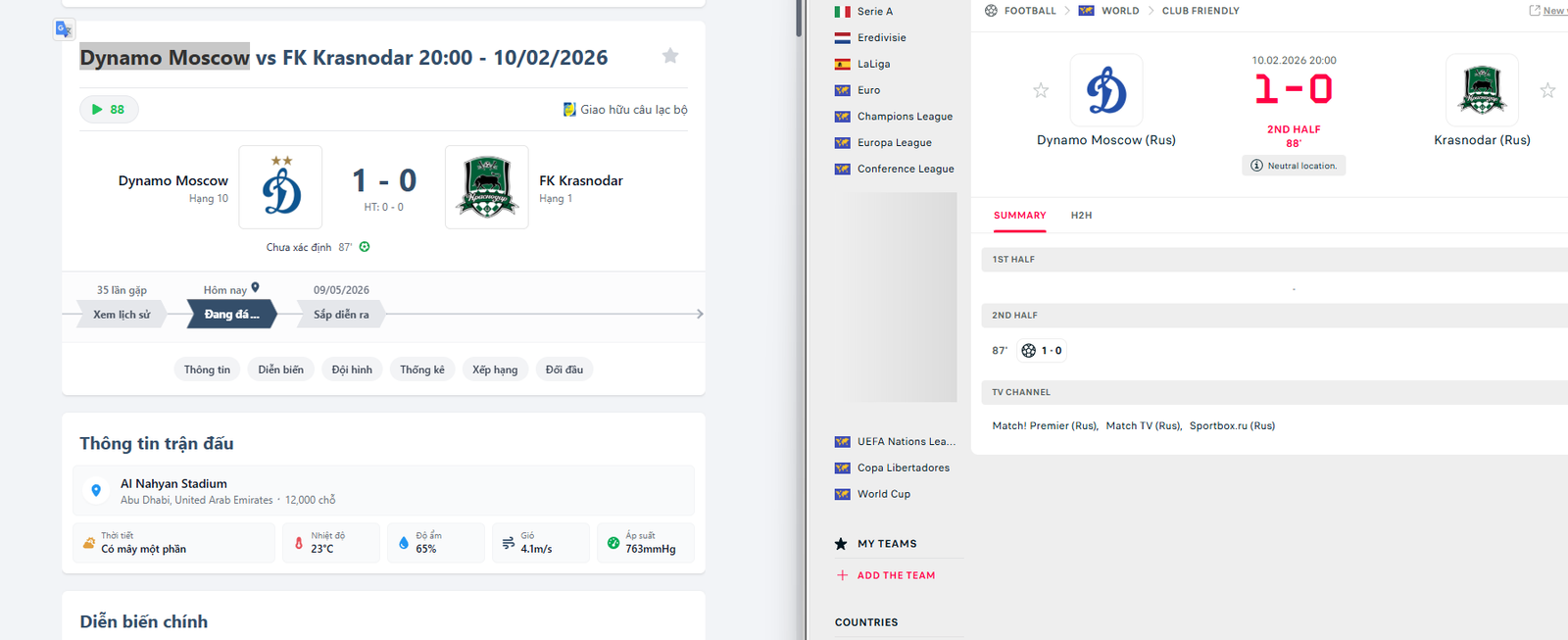
Lower profile leagues often experience longer update delays due to limited data coverage
Does speed always matter more than accuracy?
This depends on the fan. Some people want to know immediately, even if the information might change. Others prefer to wait a few seconds for confirmation.
Over time, many fans shift toward platforms that feel stable. A site that shows a score once and keeps it often feels more trustworthy than one that updates instantly but corrects itself frequently.
What usually happens if you wait a little?
In most cases, the discrepancy disappears quickly. Once confirmation arrives, both platforms align. The confusion fades, and the match continues.
This pattern suggests that most score differences are temporary rather than true errors. Understanding this can reduce frustration and prevent overreacting during emotional moments.
Are true mistakes possible?
Of course. No system is perfect. Rare technical issues, human errors, or unusual match situations can cause genuine mistakes.
However, these cases are far less common than people assume. The majority of mismatches come from timing differences, not broken systems.
How should fans handle conflicting scores?
From experience, the best approach is patience. If two websites show different scores, it usually means the situation is still developing.
Checking the match timeline, waiting briefly, or refreshing after confirmation often resolves the issue. Treating early updates as provisional rather than final helps avoid confusion.
So why do two websites show two different scores for one match?
Because live football data is not a single, synchronized truth. It is a stream of signals, confirmations, and updates processed differently by each platform.
Differences in data sources, verification speed, league coverage, and update philosophy all collide during tense moments. What fans see as inconsistency is often just the reality of real time data delivery.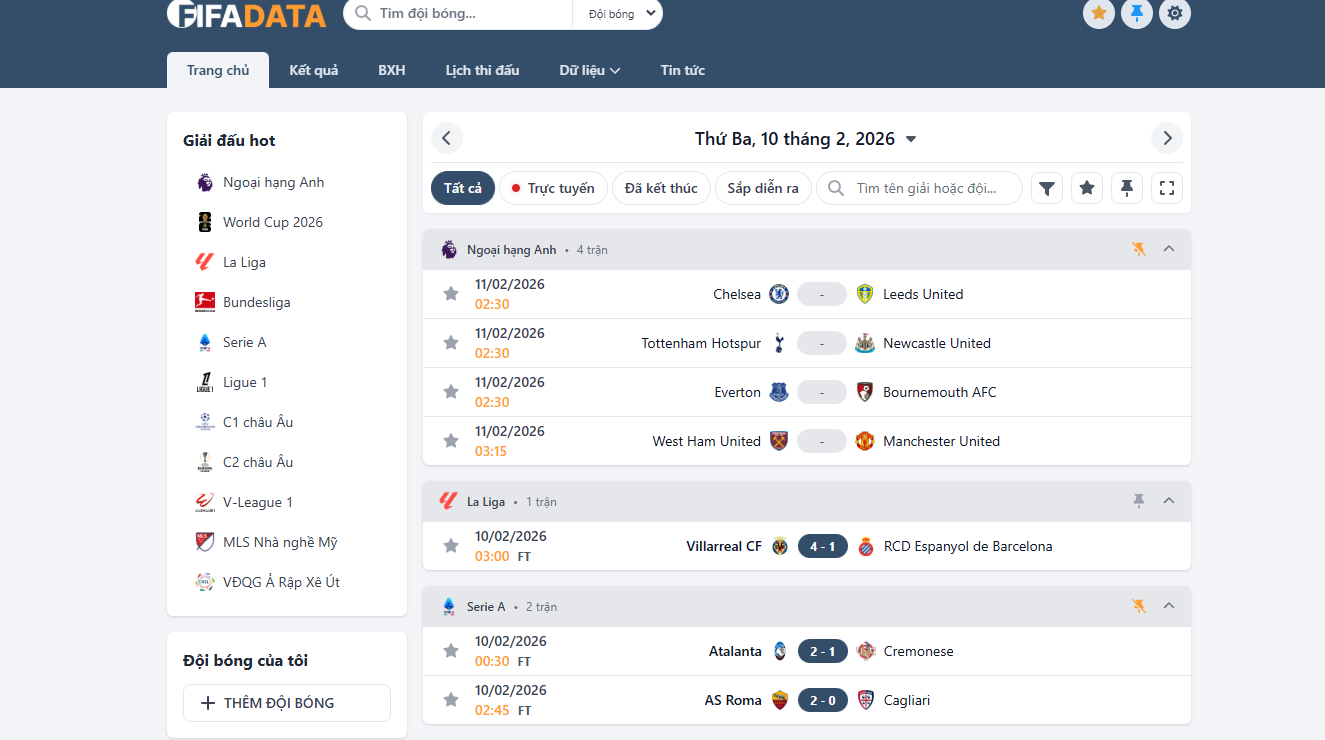
Busy matchdays increase the likelihood of temporary score discrepancies across platforms
Final question for fellow fans
When you notice two websites showing different scores for the same match, what do you usually do? Do you trust the faster update, or do you wait for confirmation before reacting, and why?
